
Hi-Rel & Space Qualification
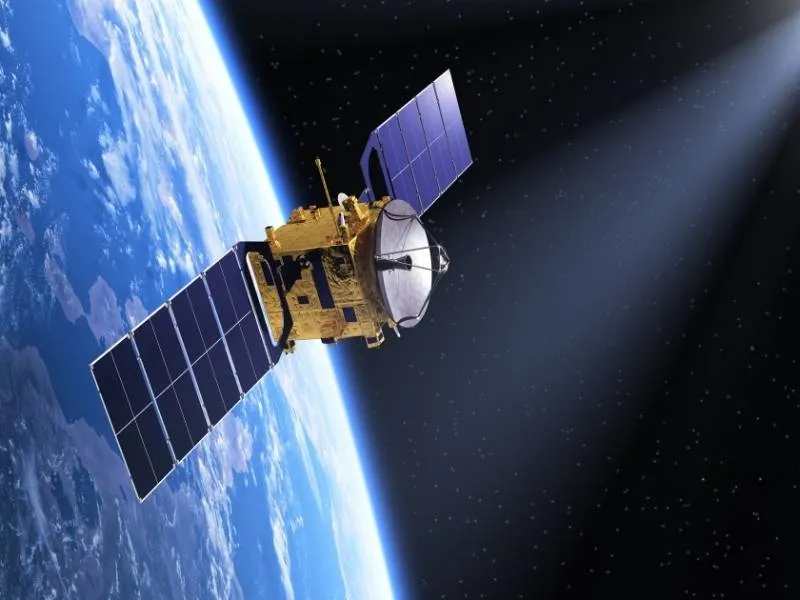
Hi-Rel Testing & Space Qualification
Engineering Mission Success
Calibrated to MIL-STD-202, MIL-STD-750, MIL-STD-883, MIL-STD-1580, MIL-PRF specifications, and NASA EEE-INST-002 guidelines, our workflows yield parametric data, failure mode distributions, and certification dossiers that support flight acceptance, lot qualification, and mission assurance for satellite constellations, defense payloads, and high-consequence systems.
For programs leveraging commercial and plastic-encapsulated microcircuits (PEMs), Hi-Rel qualification commonly begins with targeted PEM Qualification and Screening to establish suitability prior to environmental and mission-level testing.
AAA’s Hi-Rel & Space Qualification platform serves as the central hub for our environmental and analytical programs. These services can be integrated into complete qualification flows or executed standalone based on mission profiles, applicable standards, and component technologies.
Have Questions?
Submit the contact form below and one of our electrical testing experts will connect with you right away.
Core Space Qualification Programs
These integrated programs deliver the essential validations for flightworthiness, addressing radiation, thermal-vacuum, mechanical, and materials challenges through standards-aligned execution and cross-referenced data traceability.

Radiation Hardness Assurance (Radhard)
Quantify TID degradation (300 krad(Si)+) and SEE cross-sections (threshold LET >60 MeV·cm²/mg) via Co-60 gamma and heavy-ion beams, including SEL burnout thresholds per MIL-STD-883 Method 1019.
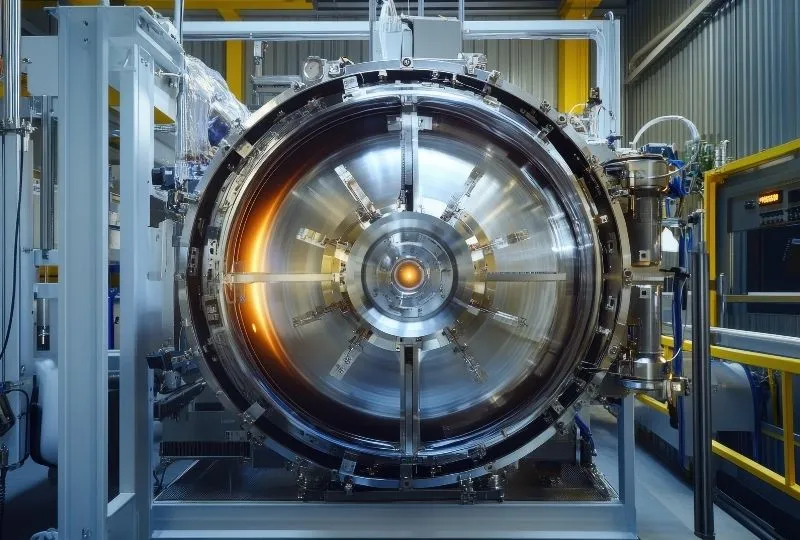
Thermal Vacuum Testing (TVAC)
Execute 10⁻⁶ Torr cycles from -184°C to +125°C to measure outgassing (TML <1%) and thermal balance, aligning with NASA-STD-7002 for contamination control and CTE mismatch detection.
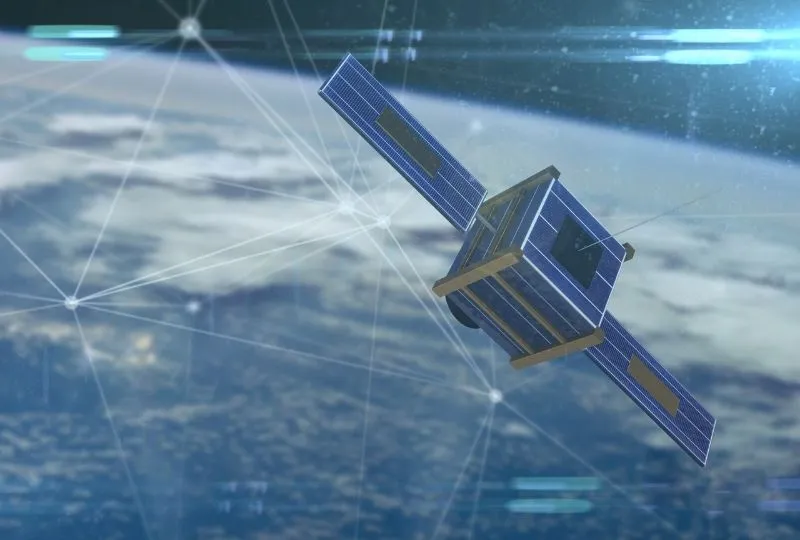
Shock & Vibration Testing (Shock & Vibe)
Apply 50–2,000 Hz random vibration (20 g rms) and pyroshocks (>1,000 g) with PIND screening (<10 mg particles) per MIL-STD-202 Methods 213/214 for launch survivability.
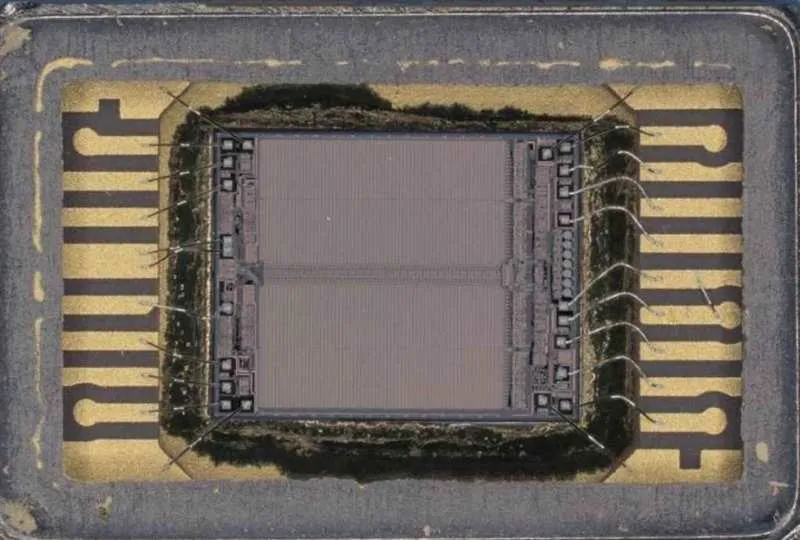
Destructive Physical Analysis (DPA)
Perform SEM/EDS cross-sectioning and X-ray CT at 100–320 kV resolution to confirm die bond voids (<5 µm) and wire pull strengths (>2 g), per MIL-STD-1580 for workmanship qualification.
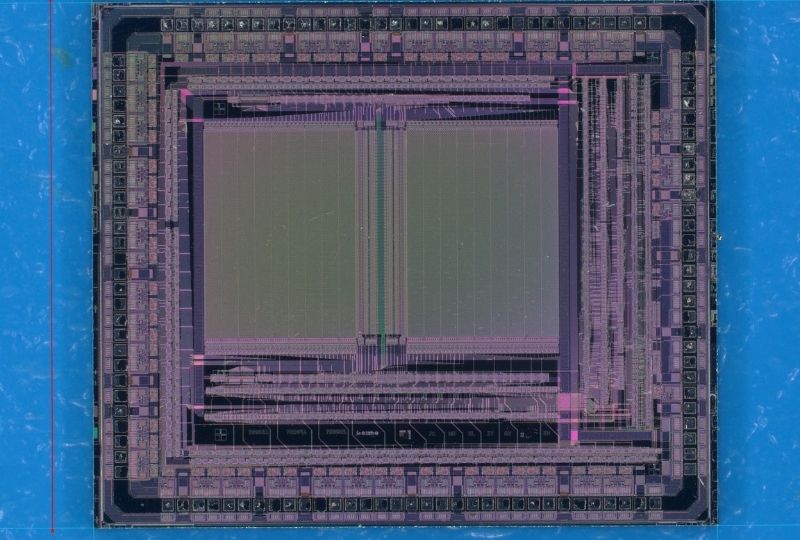
PEM Qualification
Qualify plastic-encapsulated microcircuits for Hi-Rel and space use through identity verification, environmental stress, electrical screening, burn-in, and destructive physical analysis, aligned with NASA PEM-INST-001, MIL-PRF-38535 Class N/Y, and MIL-STD-883.
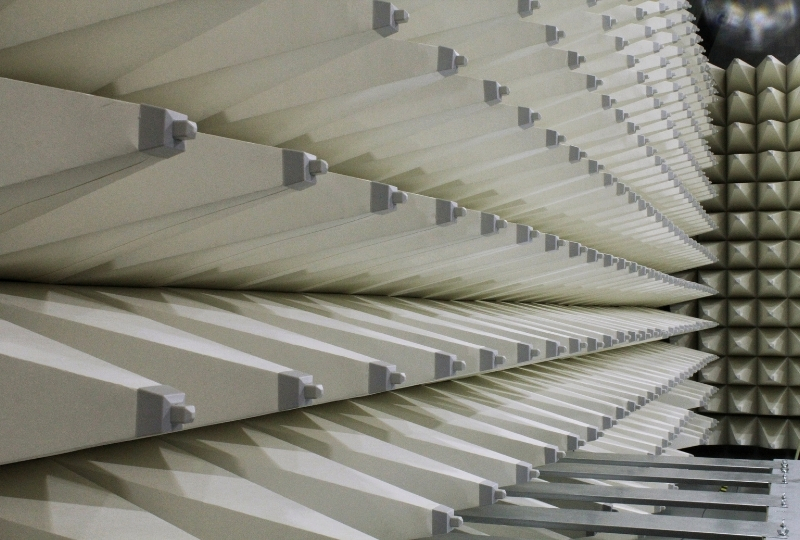
EMI/EMC
electromagnetic interference and electromagnetic compatibility (EMI/EMC) testing to support qualification, certification, and risk reduction for high-reliability electronic systems. Performed to MIL-STD-461, platform-specific military requirements, DO-160
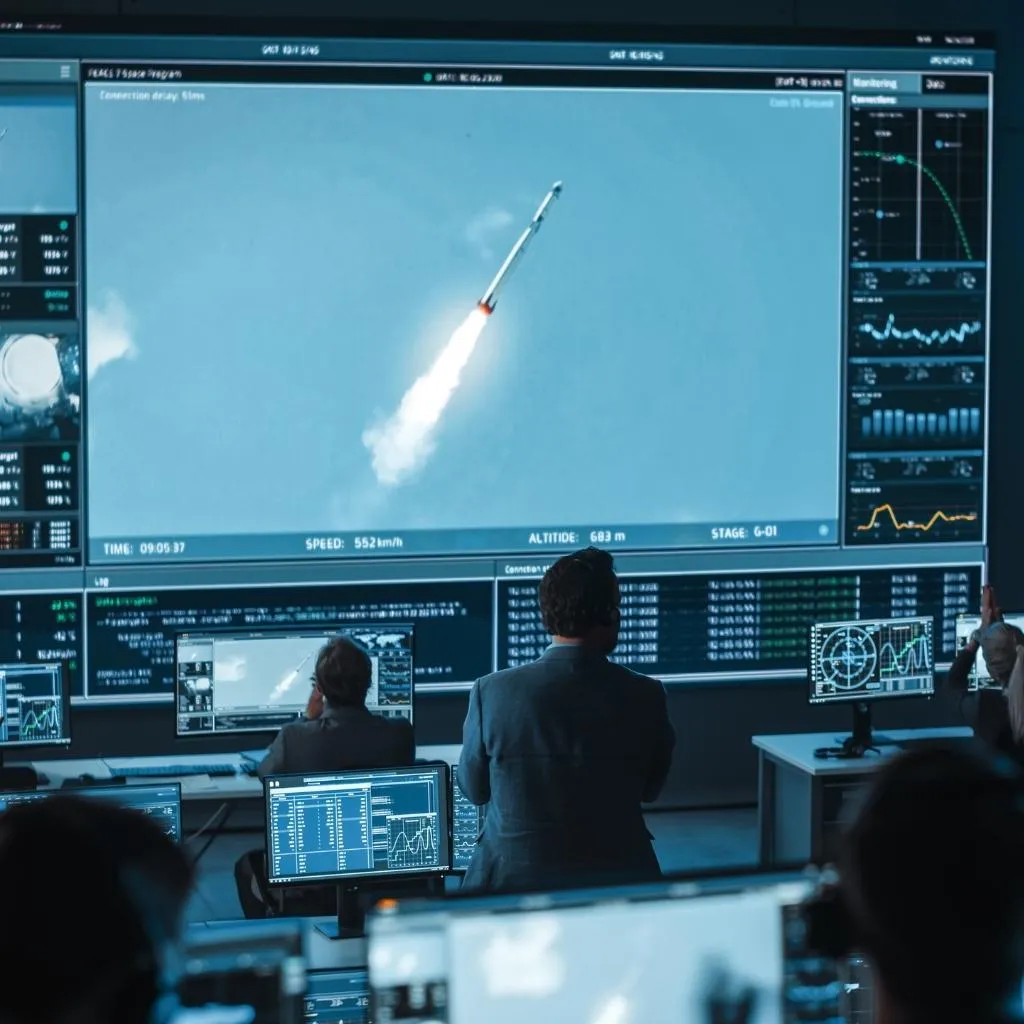
Foundational Hi-Rel Screening Services
Our ISO/IEC 17025-accredited laboratory executes comprehensive component screening, from visual anomaly detection to high-temperature bias stressing, under military specifications, generating Weibull reliability models and compliance matrices for program-wide assurance.
These screening and inspection services act as the foundation for high-reliability programs. They may be combined with environmental testing, destructive analysis, or customer-defined flows to support qualification, lot approval, or COTS up-screening.
For COTS-based and plastic-encapsulated device programs, PEM Qualification and Screening is commonly applied as the initial qualification gate before extended environmental and space-level testing.
Accelerated Life & Environmental Screening
- Burn-In Testing: Imposes dynamic bias at 125°C for 160–1,000 hours to activate early failures via electromigration and oxide breakdown, per MIL-STD-883 Method 1015, reducing field MTBF risks by >90%.
- High Temperature Operating Life (HTOL): Operates devices at rated voltage and 125°C to extrapolate activation energies (Ea ~0.7 eV), forecasting wear-out per MIL-STD-750 Methods 1026/1030.
- Temperature Cycling: Induces 500–1,000 cycles from -65°C to +225°C (10°C/min ramps) to quantify thermal fatigue cracking via da/dN models, compliant with MIL-STD-883 Method 1010.
- Thermal Shock: Delivers liquid-to-liquid transitions (-65°C to +150°C, <10 s dwell) to expose delaminations and interfacial shear failures, per MIL-STD-883 Method 1011.
- Moisture Resistance: Exposes assemblies to 85°C/85% RH for 240 hours, monitoring corrosion kinetics and swelling strains (<0.5%), following MIL-STD-202 Method 106.
- Seal Testing (Fine & Gross Leak): Detects leaks via helium spectrometry (<5 × 10⁻⁸ atm-cc/s) and fluorocarbon bubble tests, verifying hermeticity per MIL-STD-883 Method 1014.
Non-Destructive Inspection & Analysis
- External & Internal Visual Inspection: Utilizes 20–50× magnification and fiber-optic borescopes to identify lid dents (>0.1 mm) and die cracks, per MIL-STD-883 Methods 2009/2010.
- Radiography (X-Ray) Inspection: Captures 2D/3D images at 50 kV to resolve subsurface inclusions (>10 µm) and bond wire sweeps, per MIL-STD-883 Method 2012.
- Particle Impact Noise Detection (PIND): Vibrates at 1,000 Hz with acoustic thresholding to isolate mobile particles (>5 mg) in cavities, per MIL-STD-883 Method 2020.
- Solderability Testing: Post-steam ages leads (8 hours/93°C) then measures wetting (θ <60°) in SnPb/SAC305 baths, per MIL-STD-202 Method 208.
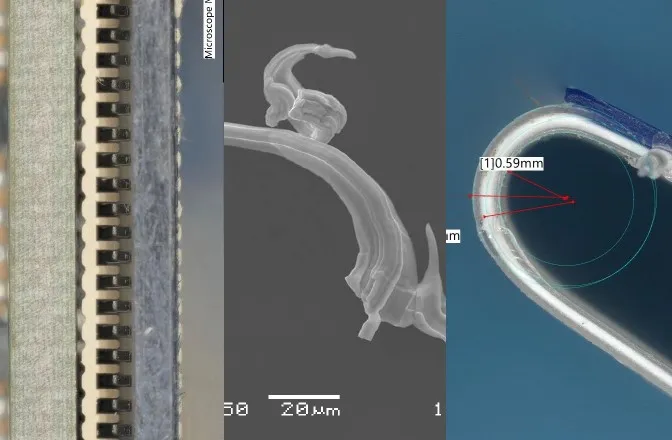
Why Customers Choose AAA Engineering
- American Owned: We are 100% American owned, and operated by veterans of the US Air Force, US Army, US Marines, and US Navy.
- Proven Expertise: 15+ years of upscreening and component data.
- Technical Authority: Skilled in MIL-STD, NASA, and AS6171 standards.
- Certified Excellence: DLA-Approved Test Laboratory, ISO/IEC 17025, AS6081, AS6171, ISO 9001/AS9100, ANSI/ESD S20.20, ITAR-registered.
- Trusted Results: Transparent, traceable data logs for reliability.
- Scalable Solutions: Supports prototype to production volumes.
Ready To Qualify Your Components?
Contact our Hi-Rel engineering team today to architect a tailored Space Qualification Program, integrating these protocols to your mission profile for optimal risk mitigation.
Certifications




Industries Served
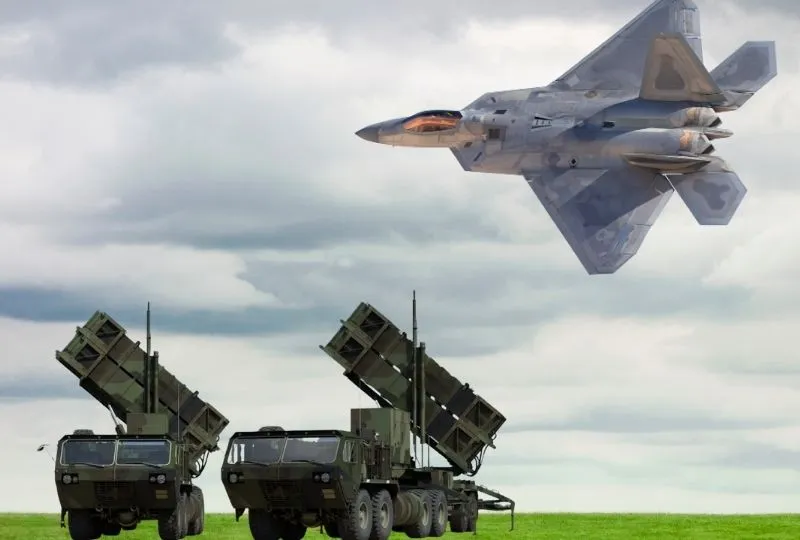
Aerospace & Defense
Ensuring electronics within weapon systems and battlefield assets performs under the absolute harshest, most demanding conditions, every time.
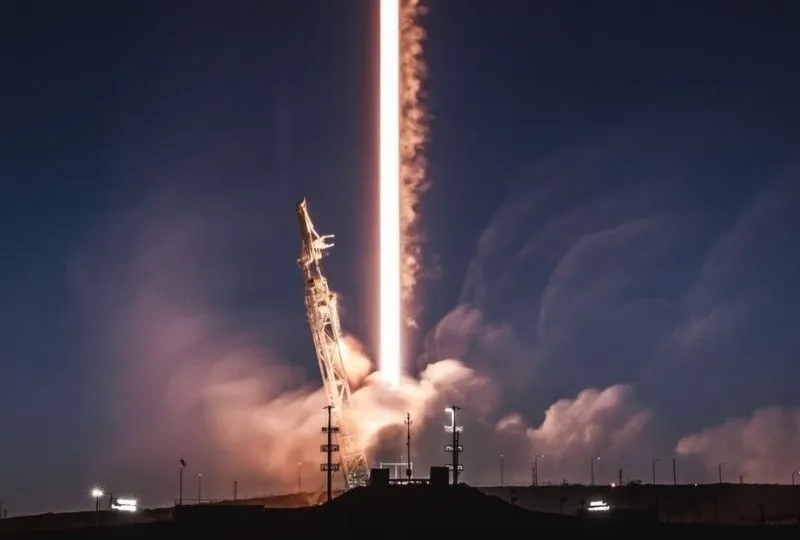
Space & Satellite
Achieve mission success with expert space & satellite component testing that guarantees reliability in radiation and thermal extremes.

Medical
Guarantee medical components are safe with thorough component testing for regulatory compliance, reliability and effectiveness.
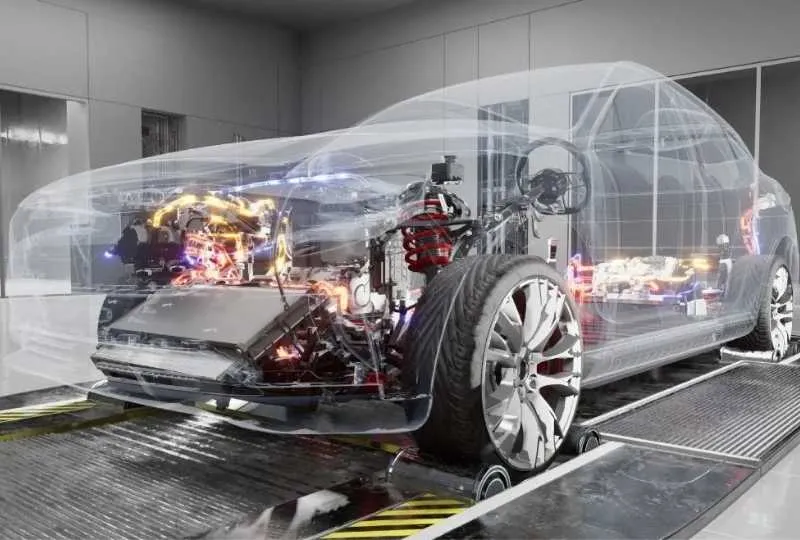
Automotive
Driving reliability and compliance through our comprehensive automotive component testing services
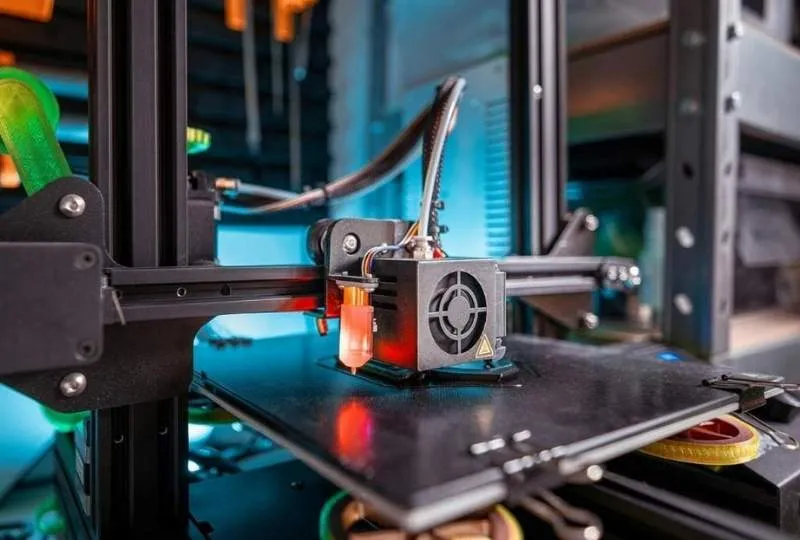
Industrial
Ensure your equipment is reliable with industrial component testing that boosts uptime, improves efficiency, enhances critical operations
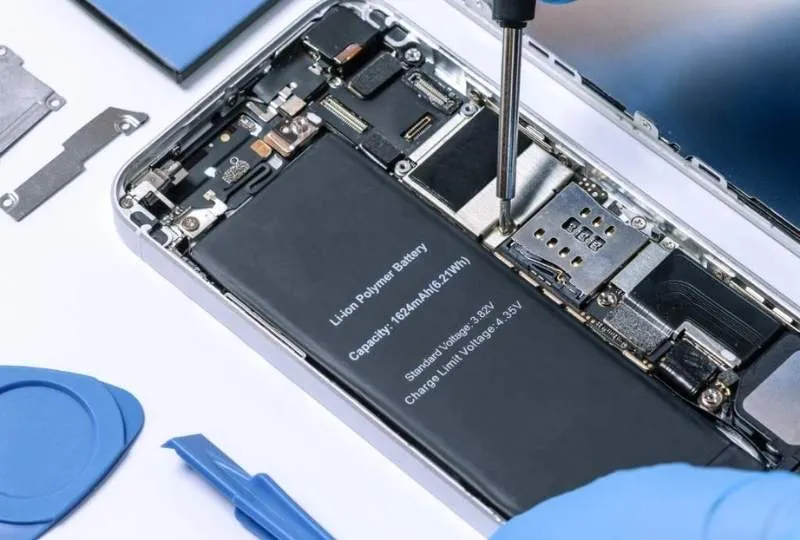
Consumer Electronics
Avoid counterfeit risks, guarantee product performance, and deliver products to market with high confidence through robust testing