
Counterfeit Mitigation

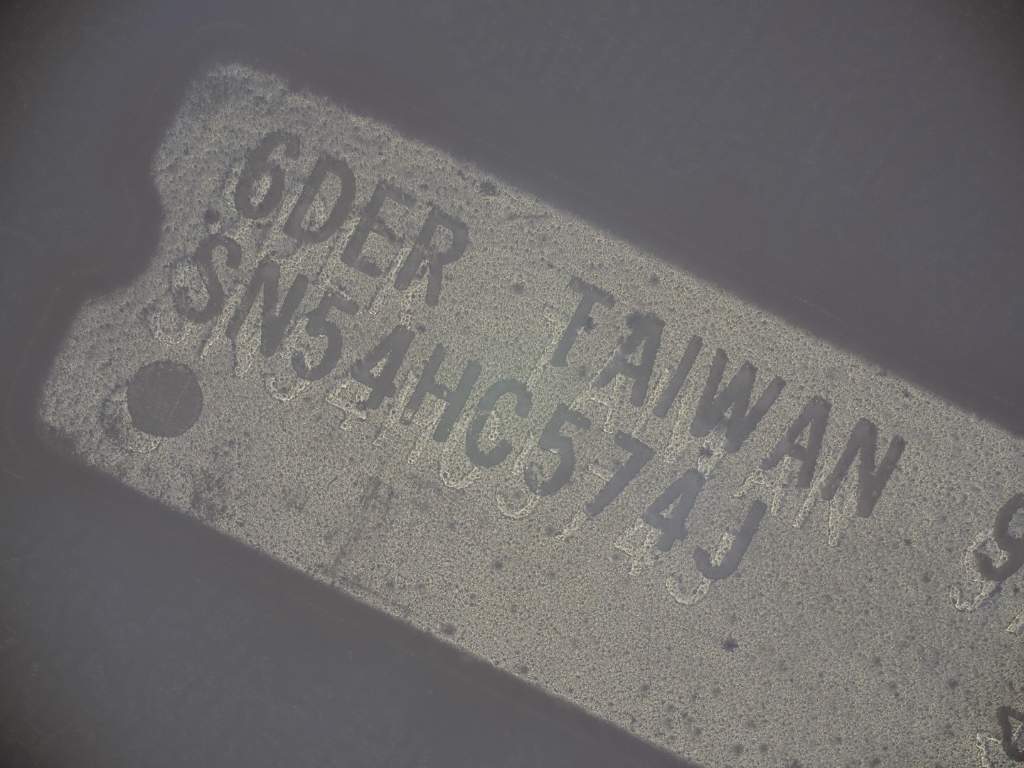
Counterfeit Mitigation Testing
Accuracy. Reliability. Expertise.
At AAA Engineering & Test Lab, we fortify your aerospace, defense, medical, automotive, and consumer electronics programs against counterfeit threats through advanced detection and authentication services. We perform component authentication as per AS6081/AS6171 so components can be trusted in mission critical programs from aerospace and defense, to satellite and communications, to medical and automotive manufacturing. Our lab is ISO/IEC 17025, AS6081, AS6171, ISO 9001/AS9100, ANSI/ESD S20.20 certified, and ITAR registered, so your program can count on reliable and accurate results – every time.
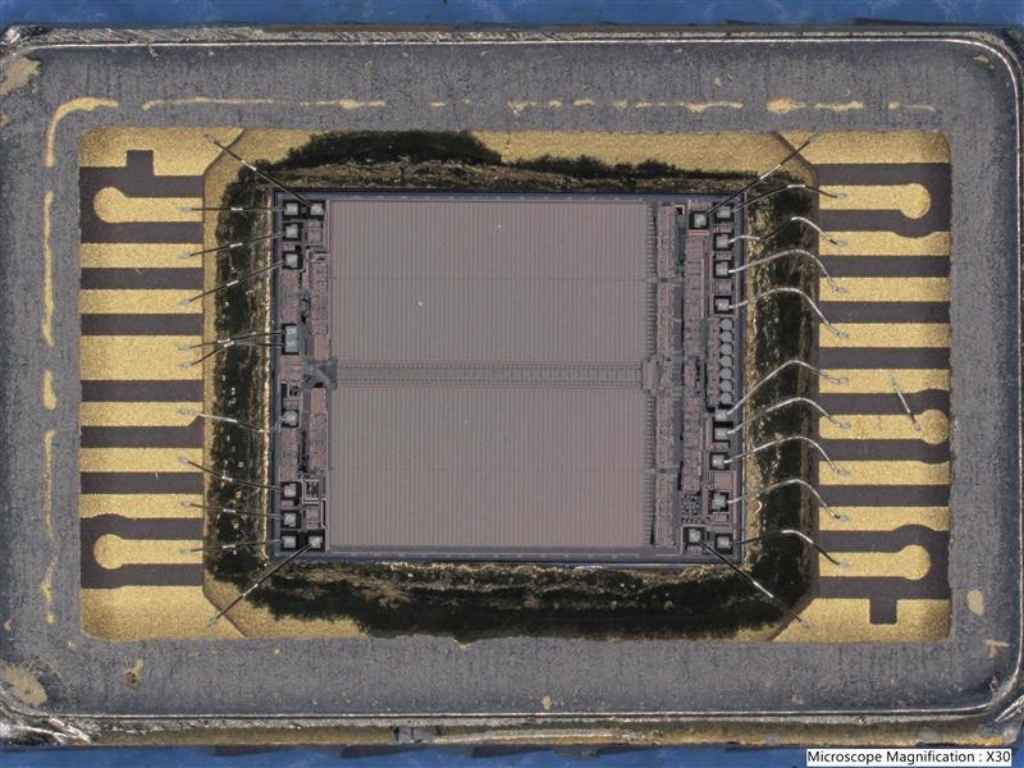
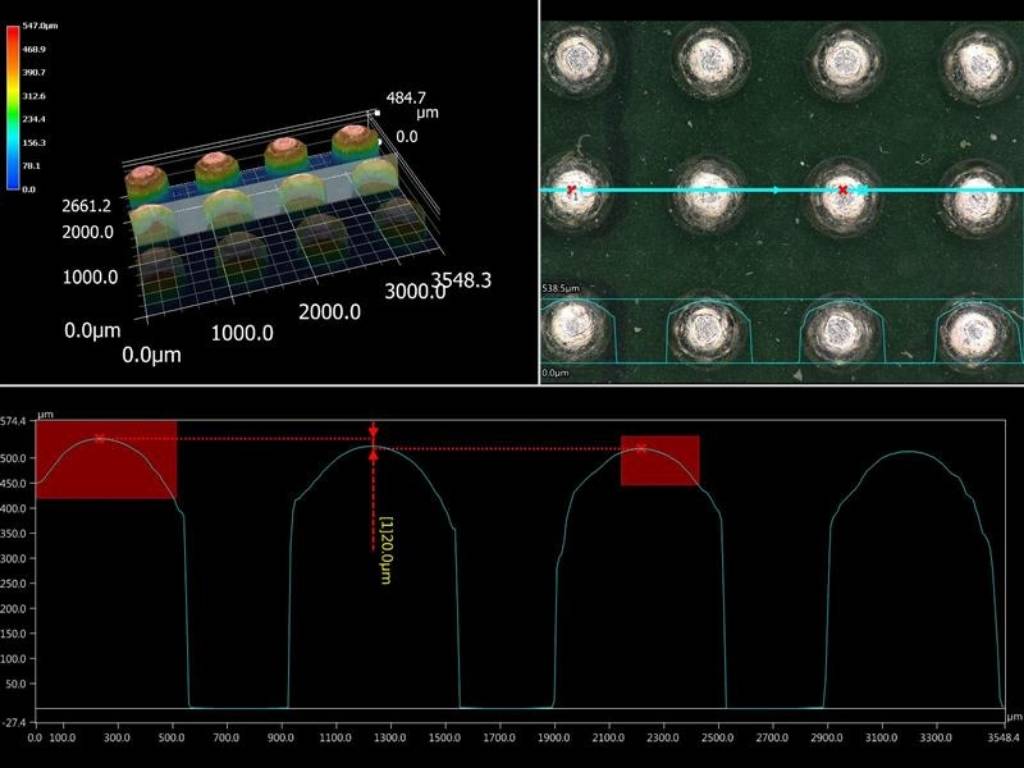
With cutting-edge tools and decades of expertise, we seamlessly integrate counterfeit mitigation into your supply chain, delivering robust validation for microcircuits, semiconductors, and passives across high-stakes applications. Our engineers leverage ISO 9001/AS9100-calibrated 3D X-ray systems, high-resolution microscopes, and advanced analytical techniques to uncover hidden defects and ensure compliance with MIL-STD-883 and SAE standards. This meticulous approach, paired with traceable data logs, empowers your teams to maintain system integrity and meet stringent defense and space requirements with unwavering confidence.
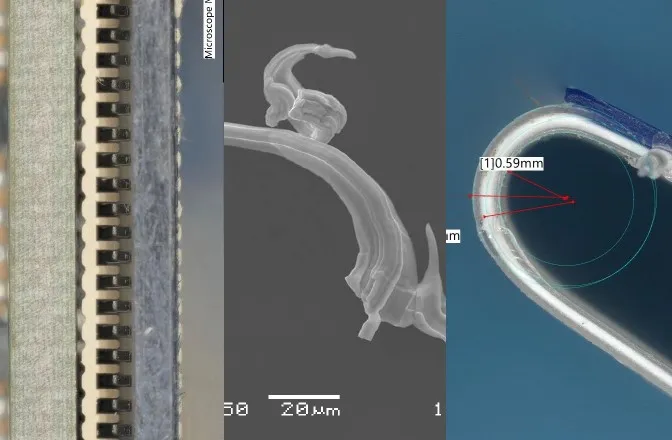
Counterfeit Mitigation Capabilities
Performed in an ISO 9001/AS9100-calibrated, ANSI ESD S20.20-compliant lab environment:
- External Visual Inspection: Reviews surfaces for anomalies, per AS6171/2A.
- X-Ray Fluorescence (XRF): Analyzes composition, per AS6171/3.
- X-Ray Inspection: Assesses internals, per AS6171/5.
- Destructive Physical Analysis (DPA): Inspects features, per AS6171/4.
- Acoustic Microscopy (CSAM): Detects voids, per AS6171/6.
- Electrical Testing: Validates parameters, per AS6171/7.
- Raman Spectroscopy: Identifies materials, per AS6171/8.
- Fourier Transform Infrared (FTIR): Analyzes polymers, per AS6171/9.
Applications
- Counterfeit Detection: Ensures authenticity for satellites and munitions, per AS6081/AS6171.
- Risk Mitigation: Verifies parts for sensitive medical and automotive systems.
- Supply Chain Security: Qualifies component batches for defense procurement.
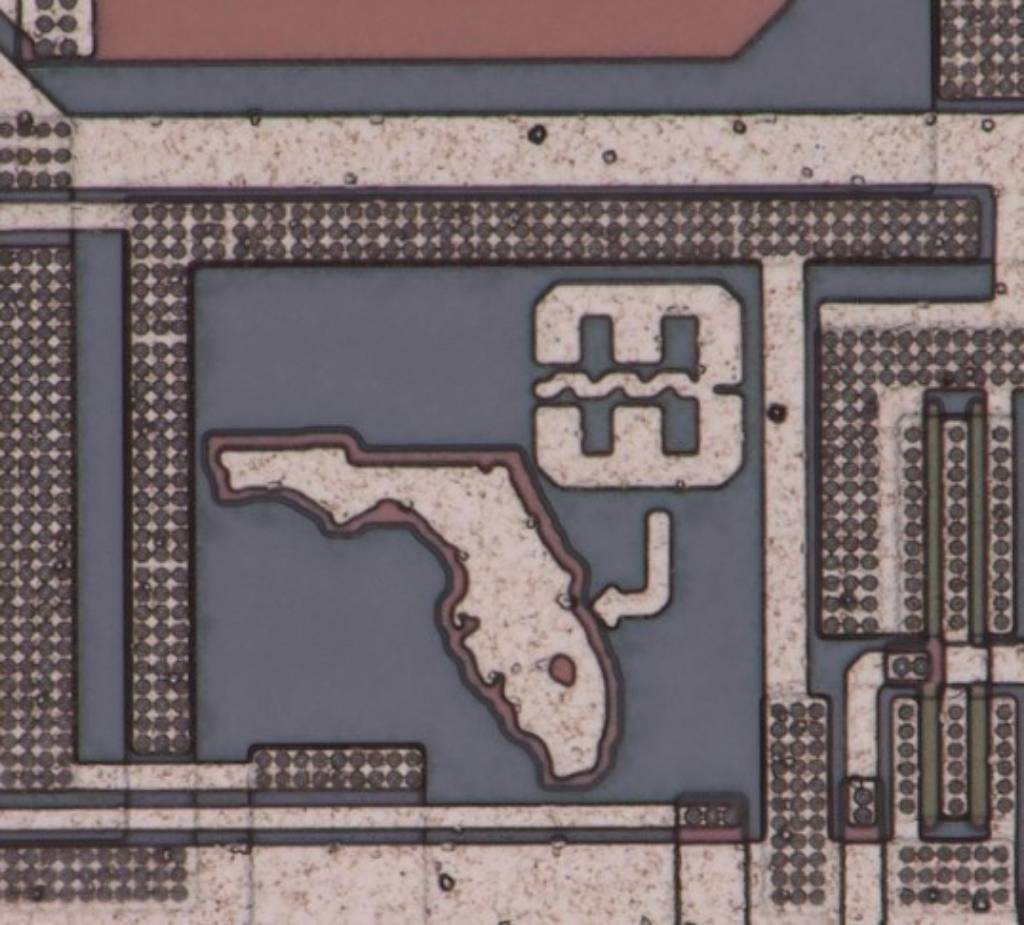
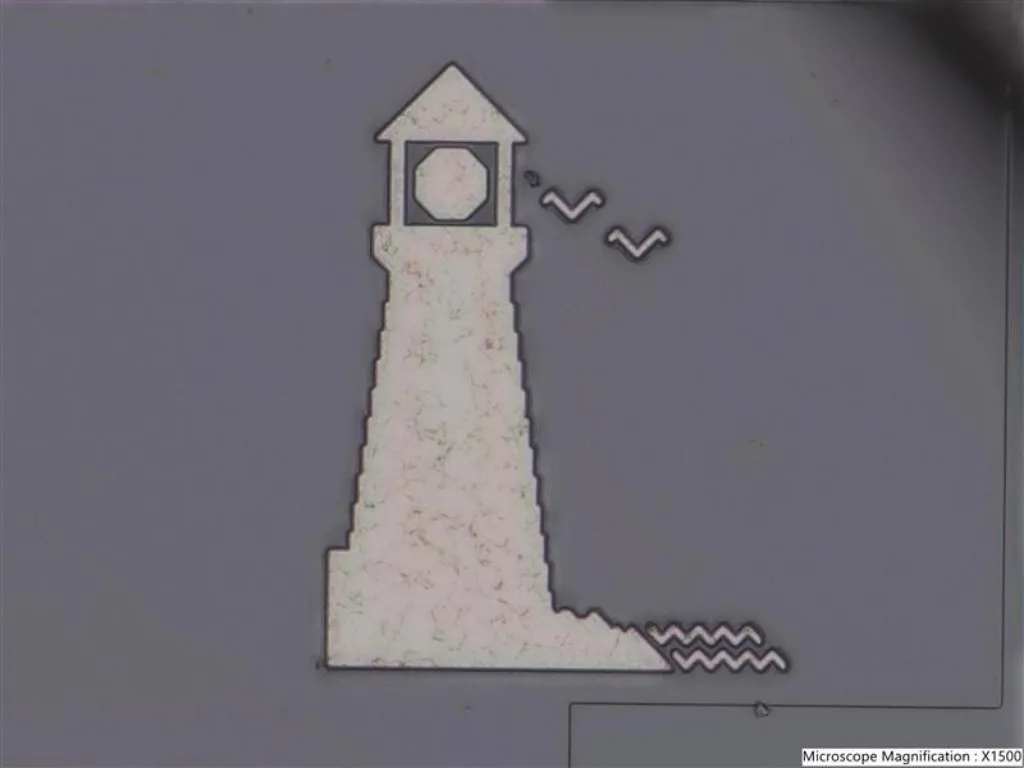
History and Evolution of Counterfeit Mitigation
The history of counterfeit mitigation in electronic components spans over four decades, beginning in the 1980s when reliance on complex electronics in critical systems, such as aerospace and defense, exposed vulnerabilities. By the 1990s, component obsolescence and globalized supply chains amplified these risks, as discontinued parts created opportunities for counterfeiters. Early mitigation relied on ad hoc visual inspections, which proved inadequate against evolving frauds.
In 2006, the Independent Distributors of Electronics Association (IDEA) released IDEA-STD-1010, establishing standardized visual inspection protocols to detect basic counterfeits, such as remarking or repackaging. As counterfeits grew more sophisticated, costing industries billions annually and compromising system reliability, standards evolved to counter advanced techniques like cloning and die-level tampering. A 2001 U.S. Department of Commerce report highlighted supply chain risks, catalyzing formal standards development.
Key milestones include:
- 2009: SAE International’s G-19 Committee introduced AS5553, providing guidelines for original equipment manufacturers (OEMs) to avoid counterfeit parts.
- 2012: AS6081 extended avoidance protocols to independent distributors.
- 2016: AS6171, developed by the G-19A subcommittee, introduced risk-based testing, incorporating advanced methods like X-ray and electrical testing.
- 2018: AS6171A refined risk assessment and test coverage calculations.
- 2023: AS6081A points to AS6171A as the latest standard for counterfeit mitigation testing with increased test methods and refined risk categories.
High-profile incidents underscored the urgency. A 2011 Senate Armed Services Committee investigation uncovered 1,800 cases involving over 1 million suspect counterfeit parts in defense supply chains. A 2020 Air Force jet crash, linked to a counterfeit ejection seat component, highlighted the lethal consequences of inadequate mitigation. These events, alongside Government Accountability Office (GAO) reports on national security risks, drove the adoption of stricter standards.
Key Players in Standards Development
SAE International’s G-19 Committee, formed in 2007, leads the development of counterfeit mitigation standards. The G-19A subcommittee, chaired by Dr. Michael H. Azarian of the Center for Advanced Life Cycle Engineering (CALCE) at the University of Maryland, specializes in test laboratory methods. CALCE’s research, dating back to the 1990s, has informed standards like AS6171 through advanced detection techniques, including non-destructive and destructive testing. This collaboration has produced robust frameworks, adopted by the U.S. Department of Defense under Instruction 4140.67.
Have Questions?
Submit the contact form below and one of our electrical testing experts will connect with you right away.
AS6081 vs. AS6171 Comparison
The following table highlights key differences in test methodologies and intent:
| Test/Inspection Method | AS6081 Approach | AS6171 Approach | Key Differences |
|---|---|---|---|
| External Visual Inspection | Basic visual check with microscope (A1) | Detailed surface analysis with SEM, per AS6171/2A | AS6171 adds SEM for enhanced detail and remarking detection |
| X-Ray Inspection | Top-down imaging (A4) | Multi-angle (top/side) with X-Plane, per AS6171/5 | AS6171 provides comprehensive internal views |
| X-Ray Fluorescence (XRF) | Lead analysis only (A5) | Lead and package composition, per AS6171/3 | AS6171 expands to full component analysis |
| Destructive Physical Analysis (DPA) | Limited decapsulation (A6) | Advanced decapsulation (e.g., Nisene JetEtch), per AS6171/4 | AS6171 includes chemical/mechanical precision |
| Electrical Testing | Optional, basic checks if requested | Mandatory tiered tests (e.g., MIL-STD-883 Method 3005–3012), per AS6171/7 | AS6171 mandates comprehensive electrical validation |
| Acoustic Microscopy (CSAM) | Not specified | Detects voids/delamination, per AS6171/6 | AS6171 adds non-destructive internal inspection |
| Raman Spectroscopy | Not included | Surface material identification, per AS6171/8 | AS6171 introduces advanced material analysis |
| Fourier Transform Infrared (FTIR) | Not included | Polymer/filler analysis, per AS6171/9 | AS6171 adds chemical composition verification |
References
- SAE International. “G-19 Counterfeit Electronic Parts Committee.” Available at: https://standardsworks.sae.org/standards-committees/g-19-counterfeit-electronic-parts-committee.
- Center for Advanced Life Cycle Engineering (CALCE). “Counterfeit Parts Detection Using SAE AS6171.” Available at: https://calce.umd.edu/counterfeit-parts-detection-using-sae-as6171.
- U.S. Senate Armed Services Committee. “Inquiry into Counterfeit Electronic Parts in the Department of Defense Supply Chain” (2011). Available at: https://www.armed-services.senate.gov/imo/media/doc/Counterfeit-Electronic-Parts.pdf.
- U.S. Government Accountability Office (GAO). “DOD Should Leverage Ongoing Initiatives in Developing Its Program to Mitigate Risk of Counterfeit Parts” (2012). Available at: https://www.gao.gov/assets/gao-12-375.pdf.
- ERAI. “Counterfeit Parts Report” (2022). Available at: https://erai.com/.
Why Customers Choose AAA Engineering
- American Owned: We are 100% American owned, and operated by veterans of the US Air Force, US Army, US Marines, and US Navy.
- Proven Expertise: 15+ years of upscreening and component data.
- Technical Authority: Skilled in MIL-STD, NASA, and AS6171 standards.
- Certified Excellence: DLA-Approved Test Laboratory, ISO/IEC 17025, AS6081, AS6171, ISO 9001/AS9100, ANSI/ESD S20.20, ITAR-registered.
- Trusted Results: Transparent, traceable data logs for reliability.
- Scalable Solutions: Supports prototype to production volumes.
Certifications




Industries Served
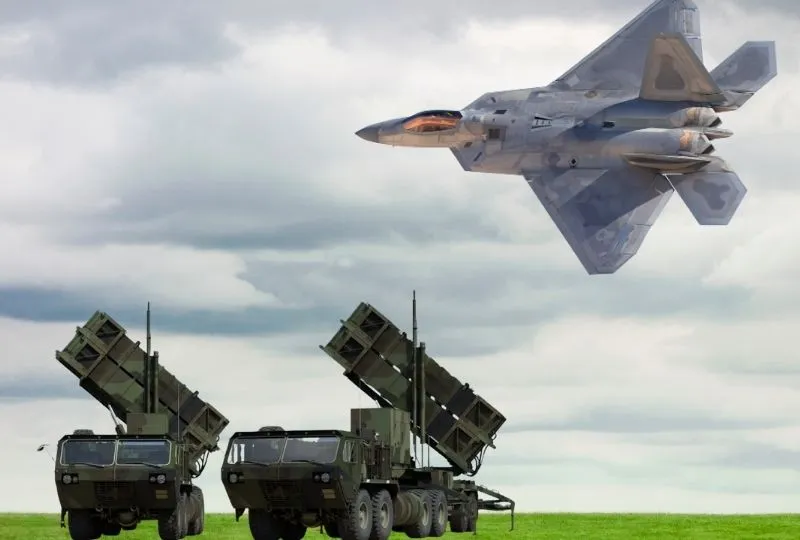
Aerospace & Defense
Ensuring electronics within weapon systems and battlefield assets performs under the absolute harshest, most demanding conditions, every time.
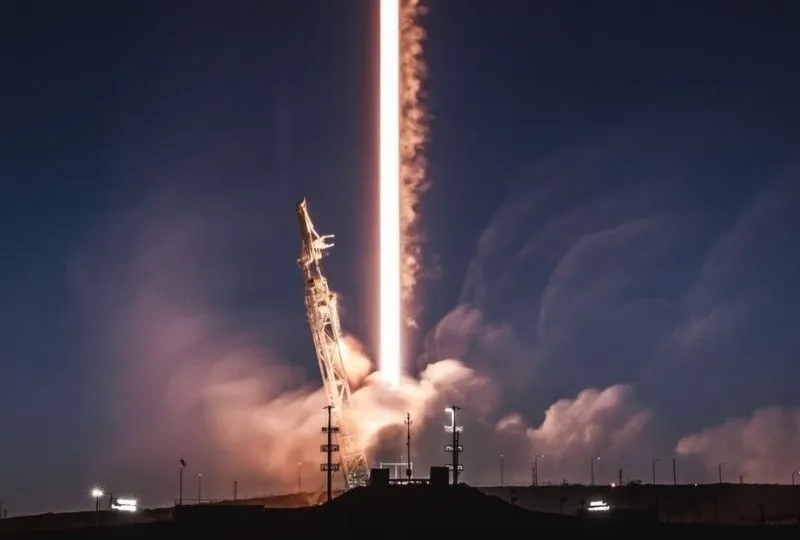
Space & Satellite
Achieve mission success with expert space & satellite component testing that guarantees reliability in radiation and thermal extremes.

Medical
Guarantee medical components are safe with thorough component testing for regulatory compliance, reliability and effectiveness.
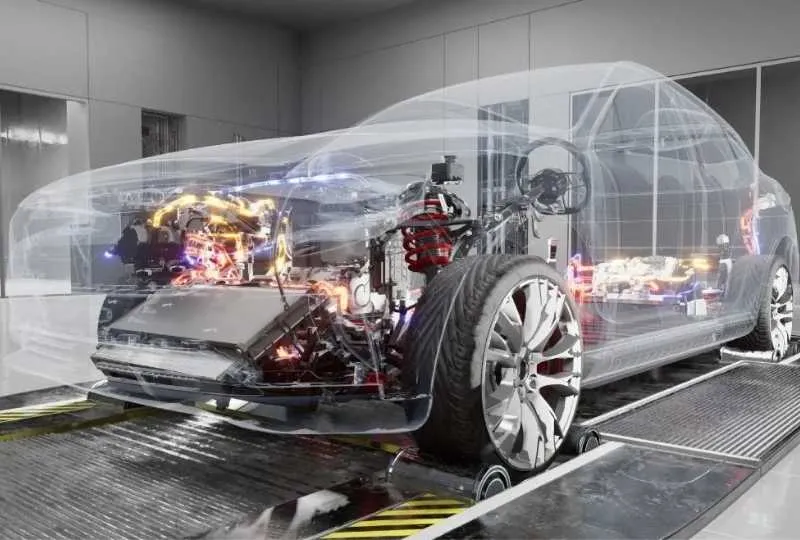
Automotive
Driving reliability and compliance through our comprehensive automotive component testing services
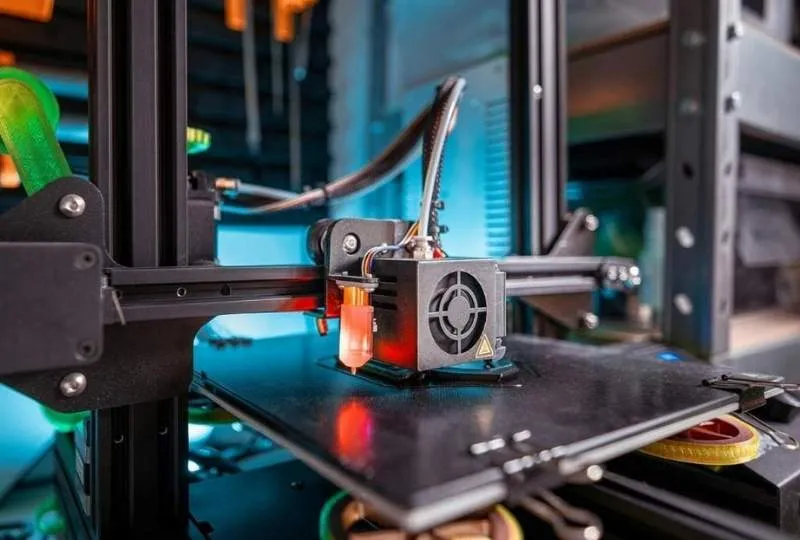
Industrial
Ensure your equipment is reliable with industrial component testing that boosts uptime, improves efficiency, enhances critical operations
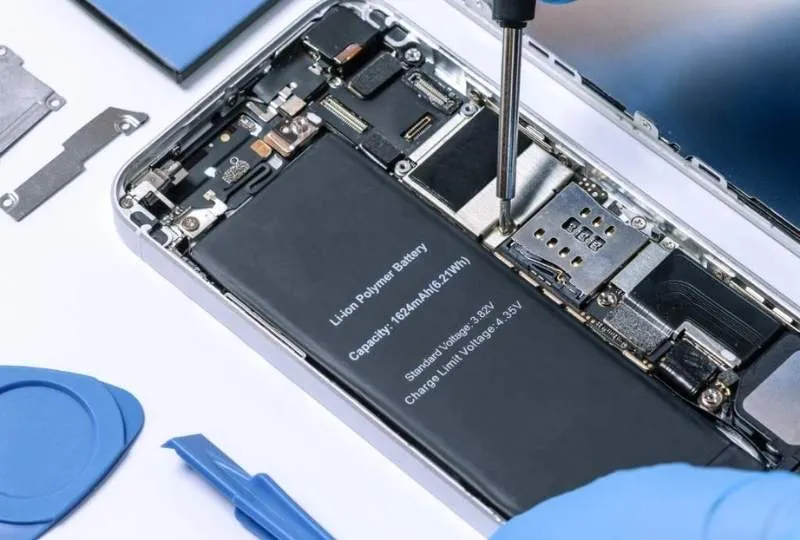
Consumer Electronics
Avoid counterfeit risks, guarantee product performance, and deliver products to market with high confidence through robust testing