MIL-STD-202: Environmental and Mechanical Test Methods for Electronic Components

The Essential Standard for Environmental and Mechanical Durability of Electronic Components
At AAA Engineering & Test Lab, MIL-STD-202 serves as the Department of Defense standard defining environmental, physical, and mechanical test methods used to evaluate the durability of electronic and electromechanical components deployed in aerospace, defense, avionics, satellite, and other high-reliability systems. This standard establishes uniform, repeatable procedures designed to expose weaknesses in materials, assembly, workmanship, and construction that may not be revealed through electrical testing alone.
MIL-STD-202 provides a structured framework for applying controlled environmental and mechanical stresses to components in order to generate data used to assess robustness under handling, storage, and operational conditions encountered in mission-critical applications.
Our ISO/IEC 17025-accredited, AS6081/AS6171-certified engineers bring deep practical understanding of MIL-STD-202 test intent, environmental stress mechanisms, and real-world application, allowing test results to be interpreted in the context of mission-relevant durability and reliability risks.
This page explains the structure, intent, and practical application boundaries of MIL-STD-202. AAA Engineering & Test Lab executes test plans to customer-defined MIL-STD-202 requirements, supporting qualification, screening, and failure analysis programs through ISO/IEC 17025-accredited testing.
Why MIL-STD-202 Remains Vital
Many electronic components meet initial electrical requirements yet fail prematurely due to environmental or mechanical stress. Temperature extremes, humidity exposure, vibration, shock, corrosion, and handling damage can reveal latent defects related to materials, assembly quality, sealing, solderability, or mechanical robustness.
MIL-STD-202 was developed to simulate these stressors in a controlled laboratory environment, forcing weaknesses to surface before components are integrated into systems where in-service failure carries significant operational, safety, or financial consequences.
The standard plays a critical role in validating component durability for applications where environmental exposure and mechanical stress are unavoidable.
Have Questions?
Submit the contact form below and one of our electrical testing experts will connect with you right away.
MIL-STD-202: What It Governs, and What It Does Not
What MIL-STD-202 Governs
MIL-STD-202 governs environmental, physical, and mechanical test methods used to evaluate the durability and workmanship of electronic and electromechanical components. The standard defines procedures intended to expose weaknesses related to materials, assembly processes, solderability, sealing, and resistance to environmental stressors such as temperature cycling, humidity, vibration, shock, and corrosive conditions.
MIL-STD-202 methods generate data used by program teams to assess component robustness under conditions representative of handling, storage, transportation, and operational environments encountered in high-reliability systems.
What MIL-STD-202 Does Not Govern
MIL-STD-202 does not govern electrical functional performance, system-level behavior, or long-term field reliability on its own. The standard does not replace component-specific electrical testing, system integration testing, or mission-specific reliability analysis.
Application of MIL-STD-202 requires engineering judgment to interpret test results in the context of component function, operating environment, and mission risk. The standard defines test methods; it does not independently determine suitability for a specific design, platform, or system.
Scope and Structure of the Current Standard
MIL-STD-202 organizes test methods into defined categories addressing different stress mechanisms:
- 100 Series – Environmental Tests: Methods addressing temperature exposure, humidity, moisture resistance, thermal shock, and environmental conditioning.
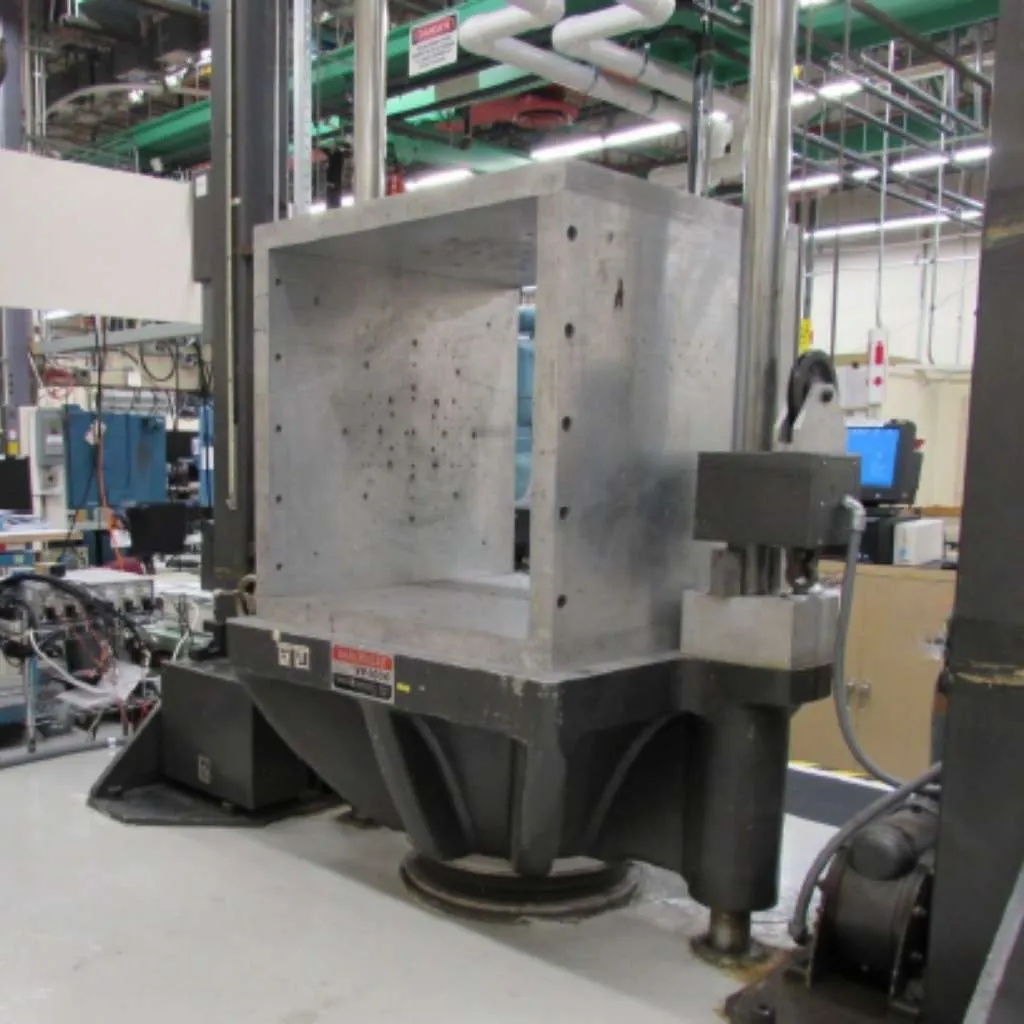
- 200 Series – Physical and Mechanical Tests
Methods evaluating vibration, shock, solderability, resistance to solvents, mechanical strength, and physical integrity. 300 Series – Electrical Characteristics Under Stress
Methods assessing electrical behavior while components are subjected to environmental or mechanical stress.
How This Standard Is Applied Across Program Phases
MIL-STD-202 is applied across multiple phases of the component lifecycle, including:
- Initial qualification
- Lot acceptance and screening
- Upscreening of commercial or alternate parts
- Anomaly investigation and failure analysis
Method selection is driven by component type, mission environment, handling and storage conditions, and acceptable risk tolerance. Different applications may emphasize different portions of the standard depending on exposure severity and failure consequences.
AAA Engineering & Test Lab supports these programs by executing customer-defined MIL-STD-202 test requirements and delivering clear, audit-ready documentation that records test conditions, results, deviations, and observed failure modes.
Complementary Standards Commonly Used with MIL-STD-202
MIL-STD-202 is commonly used alongside related specifications to support comprehensive component assurance:
- MIL-STD-883 – Internal construction and reliability evaluation for microcircuits
- MIL-STD-750 – Reliability testing for discrete semiconductors
- MIL-STD-1580 – Destructive Physical Analysis (DPA) for internal construction verification
Together, these standards provide a coordinated approach to evaluating durability, construction quality, and reliability across complex electronic assemblies.
What Program Teams Expect from MIL-STD-202 Testing
Effective MIL-STD-202 testing requires:
- Proper selection of environmental and mechanical stress methods
- Accurate execution and control of test conditions
- Informed interpretation of results relative to real-world exposure
- Clear documentation suitable for audits and design reviews
AAA Engineering & Test Lab provides MIL-STD-202 testing with the rigor, experience, and reporting discipline required to support high-reliability programs.
Robust testing. Proven durability.
Ready to validate your components against real-world stresses?
Contact AAA Engineering & Test Lab today for a customized MIL-STD-202 test plan tailored to your needs.
Certifications