MIL-STD-461: Electromagnetic Compatibility Requirements
for Military Systems
Controlling Electromagnetic Interference in Complex Defense Systems
MIL-STD-461 is the Department of Defense interface standard that defines electromagnetic emissions and susceptibility requirements for electronic subsystems and equipment deployed across airborne, ground, naval, and space platforms. The standard establishes uniform, enforceable limits and test methods intended to ensure electromagnetic compatibility within complex systems operating in electrically dense and hostile environments.
Modern defense platforms integrate tightly packed electronics operating across wide frequency ranges and power levels. Without disciplined electromagnetic control, systems are vulnerable to self-jamming, degraded sensor and communication performance, and susceptibility to external electromagnetic threats. MIL-STD-461 was developed to mitigate these risks by defining standardized approaches for evaluating electromagnetic behavior after equipment integration.
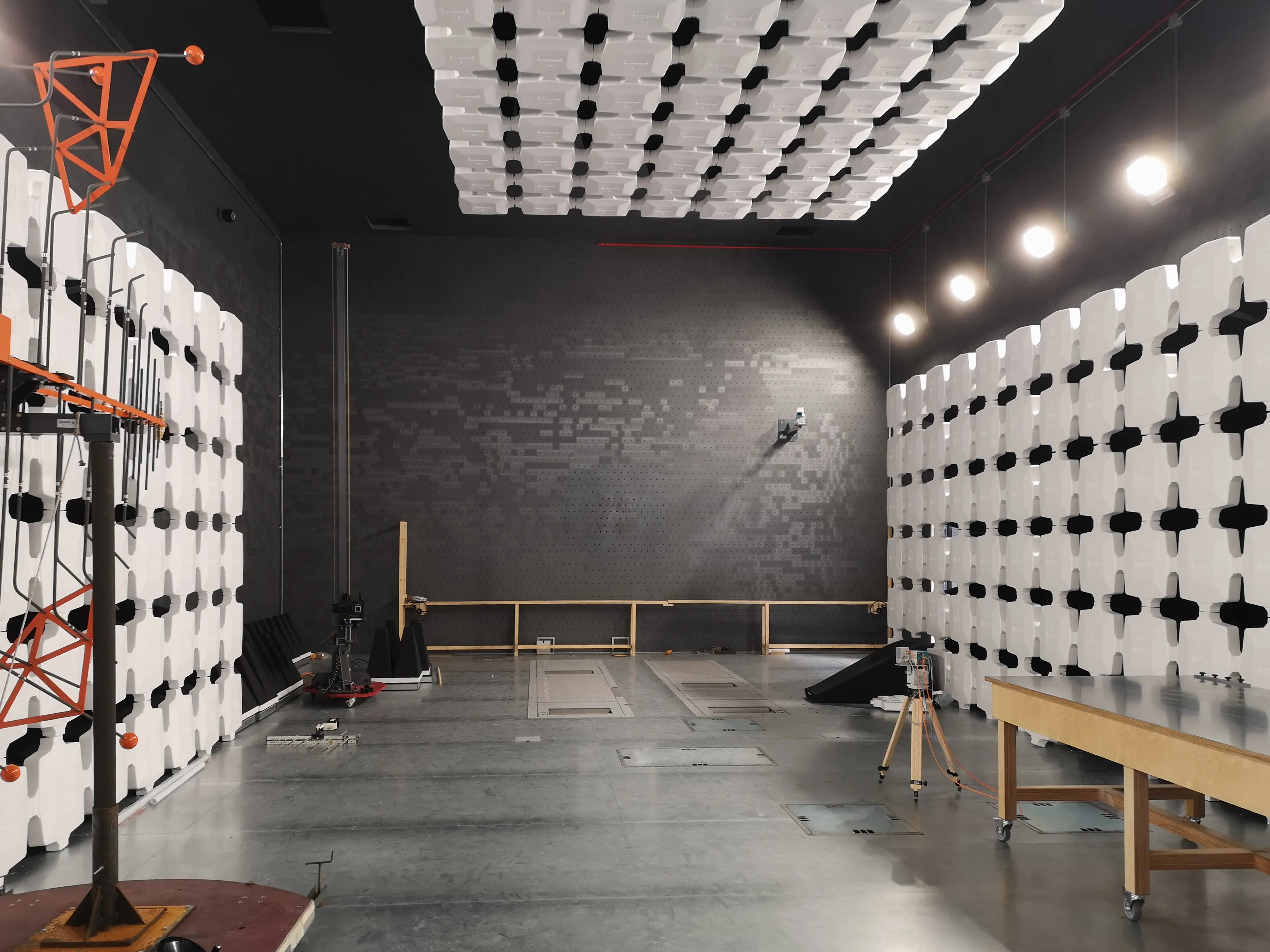
This page explains the structure, intent, and practical application boundaries of MIL-STD-461. AAA Engineering & Test Lab executes EMI and EMC testing to customer-defined MIL-STD-461 requirements, supporting qualification, integration, anomaly investigation, and compliance activities through ISO/IEC 17025-accredited testing.
Why MIL-STD-461 Remains Essential
Dense electronic architectures, varied installation environments, and increasing system complexity create significant electromagnetic risk if emissions and susceptibility are not controlled. MIL-STD-461 establishes test limits and methods designed to identify these risks early, reducing the likelihood of costly redesigns, integration delays, or field failures.
The standard plays a critical role in validating that electronic subsystems can coexist within a platform without compromising mission performance in electromagnetically challenging environments.
Have Questions?
Submit the contact form below and one of our electrical testing experts will connect with you right away.
MIL-STD-461: What It Governs, and What It Does Not
What MIL-STD-461 Governs
MIL-STD-461 governs electromagnetic behavior of electronic subsystems and equipment after integration. The standard defines requirements and test methods intended to limit radiated and conducted emissions and to verify immunity to electromagnetic disturbances encountered in operational environments.
Test data generated under MIL-STD-461 supports assessment of subsystem compatibility within a platform and informs system-level electromagnetic risk management.
What MIL-STD-461 Does Not Govern
MIL-STD-461 does not address functional performance, internal component construction, or guarantee electromagnetic compatibility in every installation scenario. The standard does not replace system-level integration testing, platform-specific electromagnetic analysis, or engineering judgment.
Effective application of MIL-STD-461 requires tailoring based on platform architecture, installation configuration, and mission profile.
Scope and Structure of the Current Standard
MIL-STD-461G (2015) organizes requirements by electromagnetic phenomenon and coupling path:
- Conducted Emissions (CE)
Energy coupled onto power, control, and signal lines (CE101 through CE106) - Conducted Susceptibility (CS)
Immunity to disturbances on cables and power leads (CS101 through CS118) - Radiated Emissions (RE)
Energy emitted into free space (RE101 through RE103) - Radiated Susceptibility (RS)
Immunity to external electromagnetic fields (RS101 through RS105)
These requirements focus on electromagnetic behavior following subsystem integration. The standard defines test methods and acceptance criteria but does not independently ensure compatibility across all configurations or operating conditions.
How This Standard is Applied Across Program Phases
MIL-STD-461 is applied throughout the lifecycle of defense and aerospace programs, including:
- Tailoring requirements and applicability analysis during design and qualification
- Subsystem certification and platform integration testing
- Investigation of EMI-related anomalies and root-cause analysis
- Compliance documentation supporting acceptance and audits
Proper application emphasizes alignment with actual electromagnetic threats rather than generic checklists or misapplied limits. Each application considers platform architecture, installation configuration, and mission environment.
AAA Engineering & Test Lab executes EMI and EMC testing to customer-defined MIL-STD-461 requirements, supporting qualification, integration, and compliance activities with clear, audit-defensible documentation.
Complementary Standards Commonly Used with MIL-STD-461
MIL-STD-461 is frequently coordinated with related specifications to address interconnected electromagnetic, power, and environmental risks:
- MIL-STD-704 – Aircraft electrical power characteristics
- MIL-STD-1275 – Ground vehicle electrical power systems
- RTCA DO-160 – Environmental conditions and EMC requirements for airborne equipment
Together, these standards support comprehensive system-level electromagnetic and power quality assurance.
What Program Teams Expect from MIL-STD-461 Testing
Effective MIL-STD-461 implementation requires:
- Engineering-led interpretation of requirement intent and applicability
- Appropriate tailoring to platform-specific electromagnetic risk
- Coordination across power quality, environmental, and EMI domains
- Clear, audit-defensible documentation supporting system integration
- Collaboration with design, quality, and EMI teams throughout the program
Ready to apply MIL-STD-461 to your program?
AAA Engineering & Test Lab executes EMI and EMC testing to customer-defined MIL-STD-461 requirements, supporting qualification, integration, and mission assurance for high-reliability systems.
Certifications